

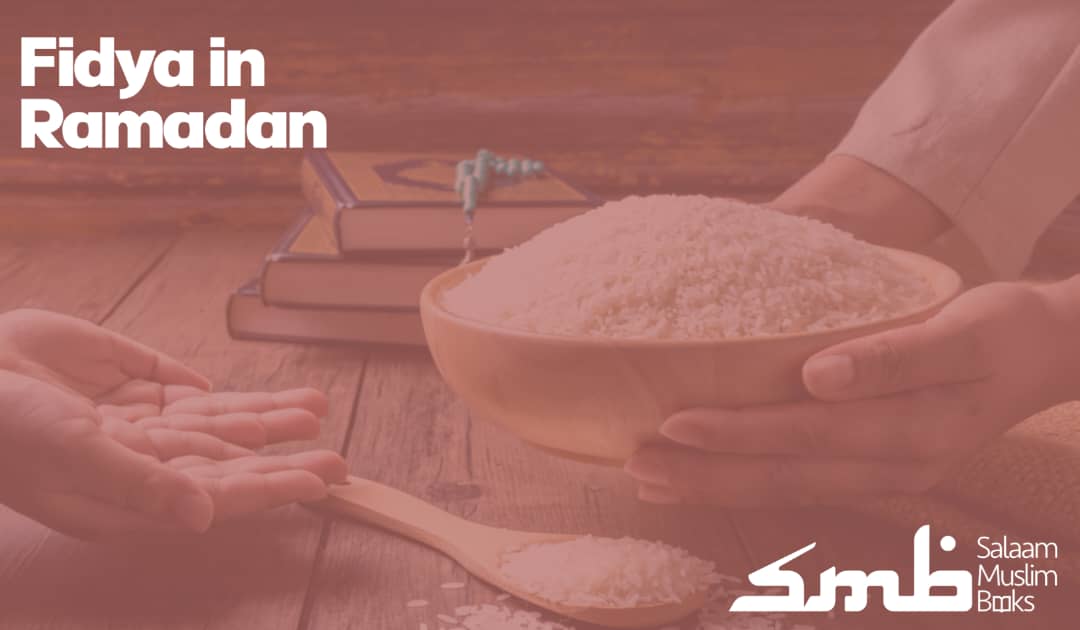
Not everyone is able to fast during Ramadan. But does that mean they miss out on the rewards? Absolutely not! Islam provides a compassionate solution called Fidya, a way for those unable to fast to still participate in the blessings of the holy month of Ramadan.
But many people are confused: Who exactly qualifies for Fidya? Can pregnant and breastfeeding women simply pay Fidya, or must they make up their fasts later? How is Fidya given and who should it be given to?
In this guide, we will explore the concept of Fidya, who is eligible for it, the differences of opinion among scholars regarding the fasting of pregnant and breastfeeding women and the correct way to give Fidya.
What Is Fidya?
Fidya is a charitable compensation given by those who are unable to fast in Ramadan due to valid reasons and cannot make up for the missed fasts later. It involves feeding a poor person for each missed day of fasting.
Allah mentions Fidya in the Quran:
“Fasting is for a limited number of days. So whoever amongst you is on a journey, then an equal number of days is to be made up. And upon those who are able [to fast, but with hardship] – a ransom [as substitute] of feeding a poor person.”
(Al-Baqarah 2:184)
Who Is Eligible for Fidya?
1. Elderly individuals: Those who are too weak to fast and will not regain the strength to do so in the future.
2. Chronically ill individuals: Those with long-term illnesses that prevent fasting permanently.
3. Pregnant and breastfeeding women: This depends on different scholarly opinions, which we will discuss below.
How to Give Fidya?
Many people ask how Fidya should be given, what kind of food is suitable, who should receive it, and whether it should be given daily or all at once. Here is the breakdown.
1. What Items Are Suitable for Fidya?
- Cooked food: You can prepare meals and give them to the poor.
- Uncooked staple food: This includes rice, wheat, barley, flour, dates, or any food commonly consumed in your region.
- Money: This involves paying the equivalent of the cost of feeding a person to an organization that helps you distribute it on your behalf.
2. How Much Food Should Be Given?
The amount of food to be given is generally one meal per missed fast per person or half a sa’ (approximately 1.5 kg of wheat, rice, or similar staple food).
3. Who Should Receive Fidya?
Fidya should be given to poor and needy people who cannot afford sufficient food. It is best to distribute it to:
- Local poor people in your area.
- Refugees, orphans, or struggling families.
- Through trustworthy Islamic charities.
4. When Should Fidya Be Given?
You can give Fidya either daily for 30 days or all at once at the end of Ramadan.
However, It is preferable to give Fidya during or before the end of Ramadan, but if you are unable to, you can still pay it later.
Fidya and Pregnant/Breastfeeding Women: Do They Have to Make Up Their Fasts?
This is one of the most debated issues in Islamic jurisprudence. Scholars have different opinions on whether pregnant and breastfeeding women must make up their fasts after Ramadan or if Fidya alone is sufficient.
Opinion 1: Women Must Make Up Their Fasts Later, No Fidya
This is the view of Imam Abu Hanifa (Hanafi school) and some other scholars. They consider pregnancy and breastfeeding as temporary conditions, meaning women should fast later when they are able, just like a sick person who recovers. They do not need to pay Fidya.
Opinion 2: Pay Fidya Only, No Need to Make Up Fasts
This is the view of Imam Ibn Abbas and Imam Ibn Umar (may Allah be pleased with them) and is followed by some Maliki and Hanbali scholars. They argue that if a woman skips fasting due to concern for her baby (not for herself), she should only pay Fidya and is not required to make up the missed fasts.
Opinion 3: Both Fidya and Making Up Fasts Are Required
This is the opinion of Imam Shafi’i and Imam Ahmad ibn Hanbal (in some reports).
If a woman skips fasting due to fear for her own health, she only has to make up the fast later.
If she skips fasting out of concern for her baby, she must do Fidya and also repay her missed fasts.
Conclusion
Since there are different scholarly opinions, it is up to each individual to follow what they believe is most suitable based on their understanding of Islamic teachings
If you are unsure, you may consult a knowledgeable scholar or your local imam for guidance based on your circumstances.
May Allah accept our fasting, our fidya, and reward our sincere intentions.
Aameen
Frequently Asked Questions
Can a woman pay fidya during postpartum bleeding(nifas)?
Fidya is only permissible for breastfeeding and pregnant women. Women in Nifas have to pay back when their bleeding is over, just like the menstruating women
Can fidya be paid in cash?
Yes, fidya can be paid in cash to reputable organisations that can help distribute fidya on your behalf.
What happens if I don’t have money for fidya during Ramadan?
If you are unable to afford the money for fidya during Ramadan, then it can be delayed until after Ramadan as soon as you have the means.
Can I pay fidya If I am sick and unable to fast?
Only people with no hope of recovering are permitted to do fidya in place of Ramadan fasting. If you are only temporarily ill, then you have to make up for the fast when you’re healthy after Ramadan


